

Choosing the right engine oil is essential for maintaining engine performance, improving fuel efficiency, and protecting critical engine components. With so many grades, specifications, and brands available, selecting the right product can be confusing. Whether you operate passenger cars, commercial vehicles, heavy-duty equipment, or industrial machinery, the correct lubricant can make a significant difference.
Alam Al Zyout provides quality lubrication solutions for automotive, industrial, and commercial applications, helping customers choose suitable engine oils based on equipment requirements and operating conditions.
Here are 10 important things to consider:
1. Check the Manufacturer’s Recommendation
Start with your vehicle’s owner manual. Manufacturers specify the recommended viscosity, performance level, and applicable specifications for each engine. Using an oil that meets these requirements helps ensure proper lubrication and protection avoid choosing based on price or brand popularity alone.
2. Understand Viscosity
Viscosity refers to how easily oil flows at different temperatures. Oils are commonly graded using labels like 5W-30, 10W-40, 15W-40, and 20W-50. The number before the “W” indicates cold-temperature performance, while the number after it reflects viscosity at higher operating temperatures. Choosing the correct grade helps ensure reliable starting, effective lubrication, and protection under demanding conditions.
3. Consider the Engine Type
Different engines call for different lubricants. Petrol and diesel engines can have different requirements, and modern turbocharged, high-performance, or heavy-duty engines often need specialized formulations. Before buying, confirm whether the oil is intended for a petrol engine, diesel engine, commercial vehicle, marine engine, or industrial application.
4. Match the Performance Specifications
Oil should meet the performance standards recommended for your vehicle or equipment this can include API and ACEA standards, as well as manufacturer-specific approvals. Compare the specifications on the container against those listed in your owner’s manual or equipment documentation.

5. Choose Between Mineral, Synthetic, and Semi-Synthetic
Oils come in mineral, semi-synthetic, and fully synthetic formulations. Mineral oils suit certain conventional engines. Semi-synthetic blends combine mineral and synthetic characteristics. Fully synthetic oils are formulated for enhanced performance, oxidation stability, and protection under demanding conditions. The right choice depends on engine design, operating environment, manufacturer recommendations, and maintenance needs.
6. Factor in Operating Conditions
High temperatures, dusty environments, heavy traffic, long-distance driving, or high-load work can all affect oil performance. For fleets or industrial equipment, choosing an oil suited to the actual working environment supports consistent performance and reduces unnecessary wear.
7. Consider Engine Age and Mileage
Older engines can have different lubrication needs than newer ones with advanced emission-control and fuel-saving technology. That said, don’t assume a higher-viscosity oil is needed just because an engine has high mileage follow the manufacturer’s guidance and consider the engine’s actual condition.
8. Think About Fuel Efficiency
The right oil reduces friction between moving parts, and some modern low-viscosity synthetic oils are formulated specifically to support fuel economy without sacrificing protection. For fleet operators, even small efficiency gains add up over thousands of kilometres a month.
9. Buy From a Reliable Supplier
Product quality, authenticity, storage conditions, and technical support all matter when purchasing engine oil. Working with an experienced, reliable supplier makes it easier to source products that meet the required specifications and to identify suitable options for different vehicles, machinery, and operating conditions.
10. Keep Up with Oil Change Intervals
Choosing the right oil is only part of the equation regular changes matter just as much, since oil gradually becomes contaminated and its performance declines over time. Intervals should be based on the manufacturer’s recommendations, operating conditions, oil type, and actual usage; vehicles operating under severe conditions may need more frequent changes.
Why It Matters
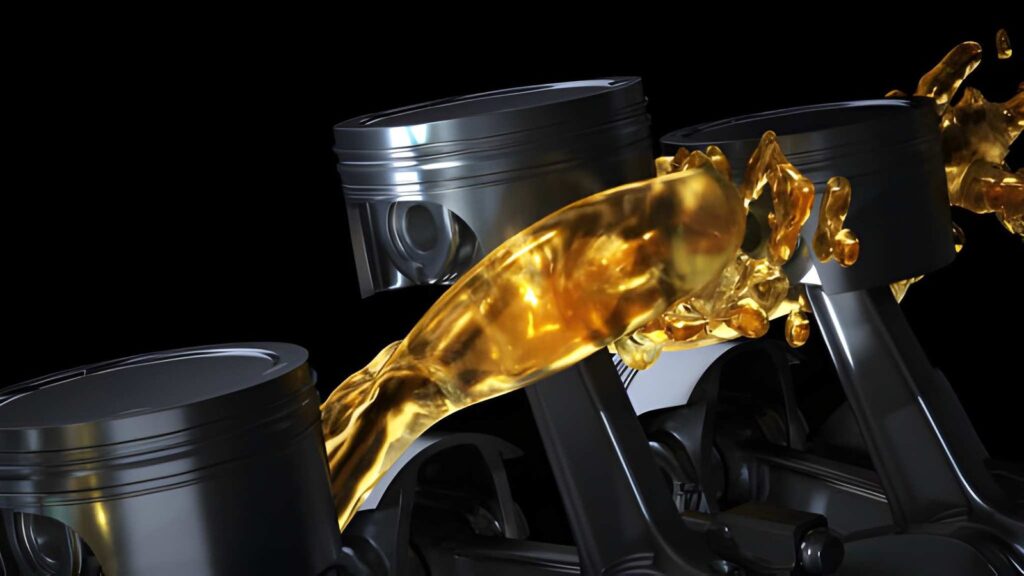
Engine oil lubricates moving components, reduces friction, assists with heat management, carries contaminants toward the filter, and helps protect internal parts against wear and corrosion. Using an unsuitable or poor-quality lubricant can hurt performance and increase maintenance needs, which is why choosing the right oil from a dependable source is a key part of preventive maintenance.
In Conclusion
The right engine oil plays a vital role in protecting an engine and keeping it running efficiently. From checking manufacturer specifications and viscosity grades to accounting for operating conditions and sourcing from a trusted supplier, each factor contributes to a better choice. Whether the application is passenger vehicles, commercial fleets, heavy-duty equipment, or industrial machinery, picking the right product helps maximize protection and performance when in doubt, follow the manufacturer’s recommendations and consult a top lubricant supplier.