

Lubricants play an essential role in maintaining the performance, efficiency, and reliability of vehicles, industrial machinery, marine equipment, and heavy-duty systems. In demanding operating environments, choosing the right lubricant is important for reducing friction, controlling wear, protecting components, and supporting longer equipment life.
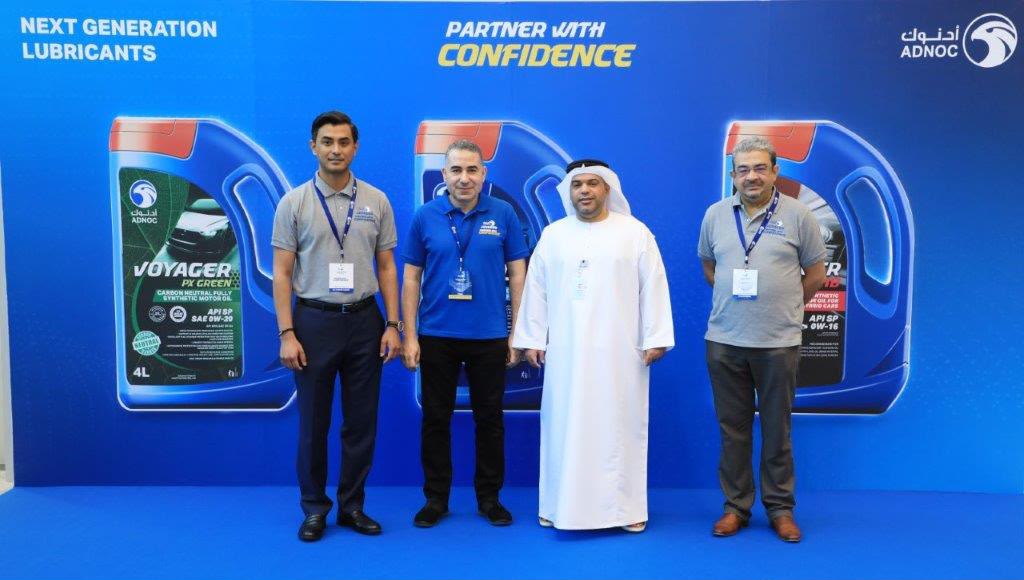
For businesses looking for dependable lubrication products, ADNOC lubricants are recognized for their wide range of automotive and industrial lubrication solutions. Working with a reliable ADNOC Lubricants Distributor can help businesses access suitable products for different applications while maintaining a consistent supply.
Understanding ADNOC Lubricants
ADNOC lubricants are developed for a broad range of applications, including passenger vehicles, commercial transportation, industrial equipment, construction machinery, and other demanding operating environments.
Different equipment requires different lubricant specifications. Engine oils, gear oils, hydraulic fluids, transmission fluids, greases, and other specialty lubricants are formulated to meet particular operating requirements.
Businesses should always select lubricants according to equipment manufacturer recommendations, operating conditions, and applicable specifications.
Types of ADNOC Lubricants
A wide range of lubrication products can support different automotive and industrial requirements.
1. Engine Oils
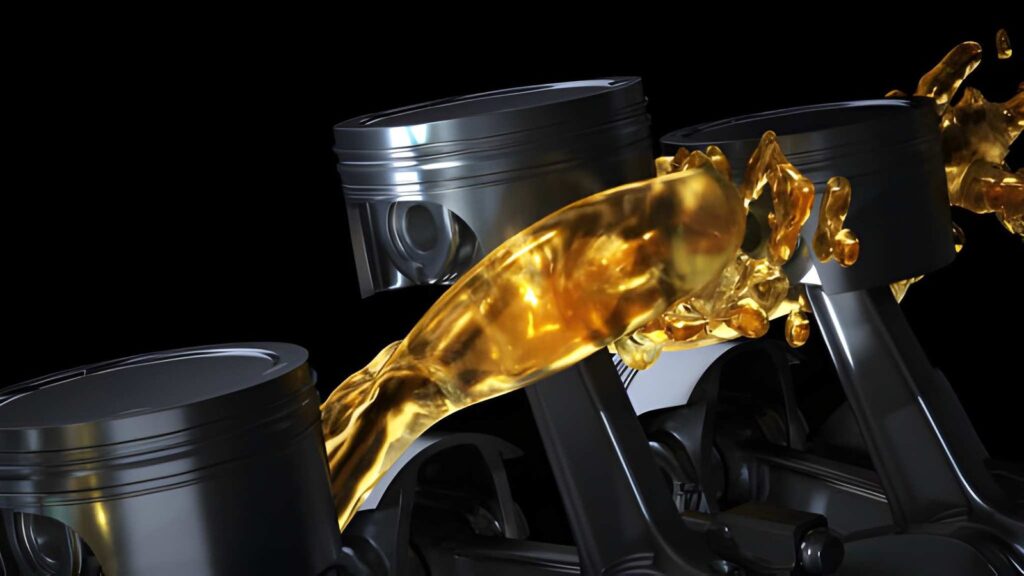
Engine oil helps lubricate moving engine components while supporting protection against friction, heat, deposits, and wear. Different grades and formulations are available for gasoline and diesel engines, depending on the vehicle or equipment manufacturer’s requirements.
Engine oils can be used in passenger cars, commercial vehicles, trucks, buses, and selected industrial applications.
2. Gear Oils
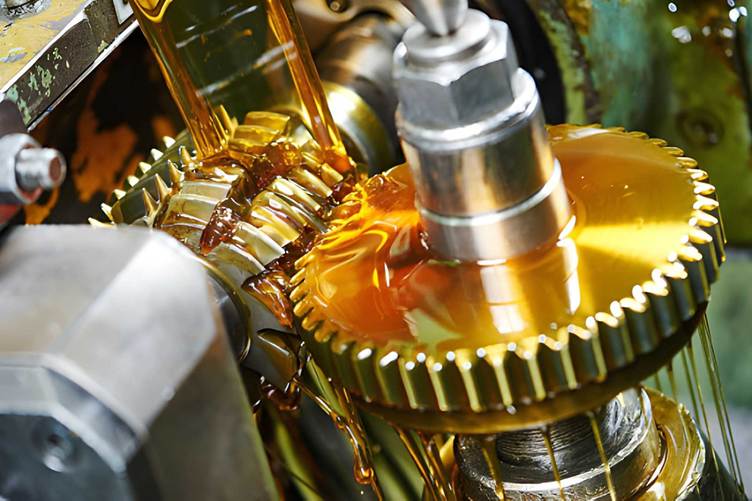
Gear oil is designed to lubricate gears and protect components operating under pressure and mechanical loads. It can be used in transmissions, differentials, industrial gear systems, and other applications requiring suitable gear lubrication.
Choosing the correct viscosity and performance specification is essential for reliable operation.
3. Hydraulic Oils
Hydraulic systems depend on fluid to transfer power while also providing lubrication and protection for internal components. Hydraulic oils are commonly used in construction equipment, manufacturing machinery, agricultural equipment, and industrial hydraulic systems.
The correct hydraulic oil can help support smooth system operation and protect pumps, valves, and other components.
4. Transmission Fluids
Transmission fluids are formulated for automatic or manual transmission applications according to the required specifications. They help lubricate transmission components and support smooth power transfer.
Using the correct transmission fluid is particularly important because different transmission designs may require specific fluid formulations.
5. Industrial Lubricants
Industrial equipment often operates continuously under heavy loads, elevated temperatures, dust, moisture, and other challenging conditions. Industrial lubricants can support machinery such as compressors, gears, hydraulic systems, turbines, and manufacturing equipment.
6. Greases
Greases are semi-solid lubricants that can remain in place for longer periods and are useful for bearings, joints, chassis components, and other applications where conventional liquid oil may not be suitable.
Applications of ADNOC Lubricants
ADNOC lubrication products can serve a wide variety of industries and equipment categories.
- Automotive Applications
Cars, trucks, buses, and commercial vehicles require appropriate engine oils, transmission fluids, gear oils, coolants, and greases. Regularly using the correct lubricant can support reliable vehicle operation and help protect critical components.
- Heavy-Duty Equipment
Construction and heavy machinery frequently operate under high loads and challenging environmental conditions. Appropriate lubricants can help protect engines, transmissions, hydraulic systems, gears, and bearings.
- Industrial Machinery
Manufacturing facilities depend on lubrication to maintain machinery performance. Industrial oils and greases may be used in pumps, compressors, gearboxes, bearings, hydraulic systems, and other equipment.
- Marine Equipment
Marine machinery operates in environments where moisture, salt exposure, heavy loads, and continuous operation can create demanding lubrication requirements. Suitable marine lubricants can help protect engines and mechanical components when used according to manufacturer specifications.
- Transportation and Logistics
Commercial transportation companies depend on trucks and other fleet vehicles for continuous operations. Selecting suitable lubricants can support fleet reliability while helping maintenance teams follow appropriate service schedules.
Key Benefits of Quality Lubricants
Using the right lubricant provides several potential benefits for equipment owners and operators.
1. Friction reduction: Lubricants create a protective film between moving surfaces, helping reduce direct metal-to-metal contact.
2. Wear protection: Suitable lubrication can help minimize wear on engines, gears, bearings, and other moving components.
3. Temperature control: Lubricants can help manage heat generated by friction and mechanical operation.
4. Corrosion protection: Certain lubricant formulations contain additives designed to help protect metal surfaces from corrosion.
5. Cleaner operation: Appropriate engine oils can help control deposits and contaminants within the lubrication system.
6. Equipment reliability: Consistent use of the correct lubricant can support dependable machinery operation and maintenance practices.
How to Choose the Right Lubricant
Selecting a lubricant should always begin with the equipment manufacturer’s recommendations. Factors such as viscosity, operating temperature, load, speed, environmental conditions, equipment age, and application type should be considered.
Businesses should also avoid mixing lubricants unless compatibility has been confirmed. Using an unsuitable product may affect equipment performance or fail to provide the protection required by the machinery.
A professional distributor can help customers understand product specifications and identify products appropriate for their particular applications.
Why Choose a Reliable ADNOC Lubricants Distributor Yemen?
A dependable ADNOC Lubricants Distributor can provide businesses with access to a broad range of lubrication products for automotive, industrial, marine, and heavy-duty applications.
When selecting a distributor, customers should consider product authenticity, availability, technical information, packaging options, delivery capabilities, and customer support. Reliable supply is particularly important for businesses where equipment downtime can affect productivity and operating costs.
Alam Al Zyout: Supporting Lubrication Requirements
Alam Al Zyout provides lubrication-related solutions for customers seeking products for automotive and industrial applications. Businesses can work with experienced lubricant suppliers to identify suitable products based on their equipment specifications and operating requirements.
Before purchasing any lubricant, customers should confirm the required grade, specifications, approvals, and application suitability with the equipment manufacturer or qualified lubrication professional.
Final Thoughts
Quality lubrication is an important part of vehicle and machinery maintenance. From engine oils and gear oils to hydraulic fluids, transmission fluids, industrial oils, and greases, each lubricant serves a specific purpose.
For businesses in Yemen, choosing a reliable ADNOC Lubricants Distributor Yemen can help simplify lubricant sourcing and support consistent maintenance requirements. By selecting products based on manufacturer specifications and operating conditions, businesses can promote efficient equipment operation, reduce unnecessary wear, and support long-term machinery reliability.