
Dubai’s industrial sector doesn’t slow down. Manufacturers, construction firms, transport operators, marine businesses, and logistics companies all depend on heavy equipment to keep work moving. But constant operation, high temperatures, dust, and heavy loads take a toll on machinery. The right industrial lubricant protects equipment, cuts friction, and keeps performance steady.
A good industrial lubricants supplier in Dubai helps businesses choose products that suit their machines and working conditions. Quality lubricants reduce wear, improve energy efficiency, help control temperature, and lower the chance of breakdowns at the worst possible moment.
Alam Al Zyout helps businesses access lubricant solutions that fit their operational needs. With the right products and a consistent maintenance routine, companies can improve equipment reliability, keep maintenance costs in check, and run more smoothly.
Why Industrial Lubricants Matter
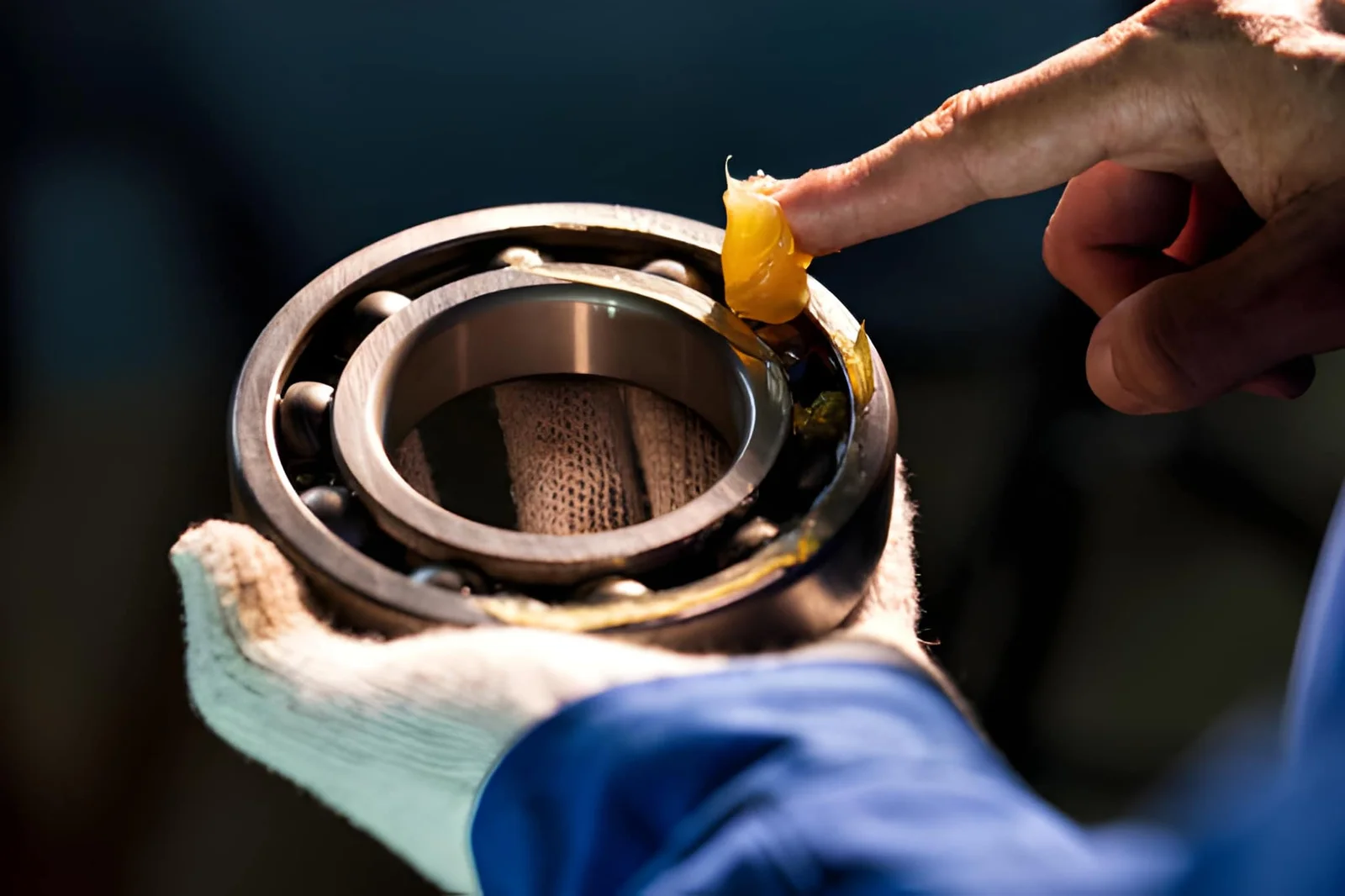
Industrial lubricants are specially formulated oils and greases that protect moving parts. They form a thin film between surfaces so metal doesn’t grind against metal.
Without proper lubrication, components can overheat, wear out early, corrode, or fail outright. That means lost productivity and bigger repair bills.
Here’s what a good lubricant does:
- Reduces friction: Less resistance between moving parts means smoother operation.
- Protects against wear: Bearings, gears, shafts, and other critical parts last longer.
- Manages heat: Some lubricants carry heat away from components, which helps with temperature control.
- Resists corrosion: They shield metal surfaces from moisture and oxidation.
- Controls contamination: Some hold contaminants in suspension so filters can remove them.
- Improves reliability: Fewer avoidable failures and more consistent performance.
Matching the right lubricant to each application is one of the simplest ways to make an operation more efficient.
Why You Need a Reliable Industrial Lubricants Supplier
Dubai is tough on machinery. High ambient temperatures, airborne dust, long operating hours, and heavy loads can all affect how a lubricant performs.
An experienced supplier can help you pick products based on your machine specifications, manufacturer recommendations, and operating conditions. They can walk you through viscosity, performance classifications, compatibility, and application requirements, which is especially useful if you run several machines or manage a large facility.
A dependable supplier also makes purchasing easier. Consistent availability, planned orders, and timely restocking mean maintenance work isn’t held up because a lubricant ran out.
If you’re looking for dependable lubrication solutions, Alam Al Zyout is a good point of contact for discussing your requirements and finding suitable options for different industrial applications.
How Quality Lubricants Improve Machinery Performance
1. Reducing friction and mechanical wear
Friction wastes energy and wears parts down. When moving parts run without enough lubricating film, metal touches metal, resistance goes up, and damage speeds up.
High-quality lubricants keep surfaces apart and reduce friction under suitable operating conditions. That matters most for bearings, gearboxes, hydraulic systems, compressors, and anything else that runs continuously.
Less wear means components stay in better condition and last longer. You also get fewer lubrication-related repairs and fewer part replacements.
2. Supporting energy efficiency
A machine fighting excess friction needs more energy to do the same job. Proper lubrication cuts that resistance so equipment runs more easily.
For facilities with large motors, pumps, compressors, and production systems, even small efficiency gains add up over time.
Selection matters, though. Viscosity and formulation need to match the equipment’s design, load, speed, and temperature range. The wrong lubricant can increase resistance or protect less effectively instead of helping. A good supplier can point you to products that meet the manufacturer’s specifications and support your efficiency goals.
3. Managing heat and operating temperatures
Industrial machinery generates a lot of heat. Too much of it breaks down lubricants, damages seals, and speeds up wear.
The right lubricant reduces friction-related heat and, in some systems, helps transfer it away. Products built for demanding temperatures keep their protective properties within their rated range. In Dubai, where the ambient heat adds extra strain, thermal stability should be high on your list when choosing a lubricant.
Regular oil condition monitoring, proper storage, and sticking to recommended change intervals will help keep performance dependable.
4. Extending equipment service life
Replacing industrial machinery means serious investment, installation time, and disruption. Preventive maintenance protects that investment by catching problems before they turn into major failures.
Correct lubrication protects critical components from excessive wear, oxidation, corrosion, and some kinds of deposit build-up. Combined with proper operation and maintenance, it can help equipment last longer.
Set lubrication schedules based on equipment requirements, operating conditions, and the condition of the lubricant itself. A knowledgeable supplier can help your maintenance team take a more consistent approach to selecting and replenishing products.
5. Reducing unexpected downtime
Unplanned breakdowns stop production, delay deliveries, and push up labour and repair costs. When project schedules are tight, downtime can also affect your commitments to customers.
Wrong lubricant choices, too little lubrication, contamination, and degraded oil can all lead to equipment problems. Using suitable lubricants and following preventive maintenance procedures lowers those risks. Regular checks, oil analysis when necessary, and prompt adjustments can identify problems before they result in significant harm.
Lubrication alone can’t prevent every mechanical failure, but it’s a key part of any reliability programme.
Types of Industrial Lubricants
Different machines need different products. Knowing the main categories makes buying decisions easier.
A) Hydraulic oils transmit power through hydraulic systems while lubricating and protecting components against wear and corrosion. You’ll find them in industrial presses, construction equipment, manufacturing machinery, and material-handling systems. The right one should meet the manufacturer’s viscosity and performance requirements.
B) Gear oils protect gear teeth and other transmission components running at varying speeds and loads. They reduce friction, manage heat, and guard against wear. Industrial gearboxes may need specific viscosity grades and performance characteristics depending on design and environment.
C) Compressor oils are formulated for air and gas compressors. Depending on the equipment, they can help control deposits, protect components, and keep operation reliable. Choose according to compressor type and the manufacturer’s recommendations.
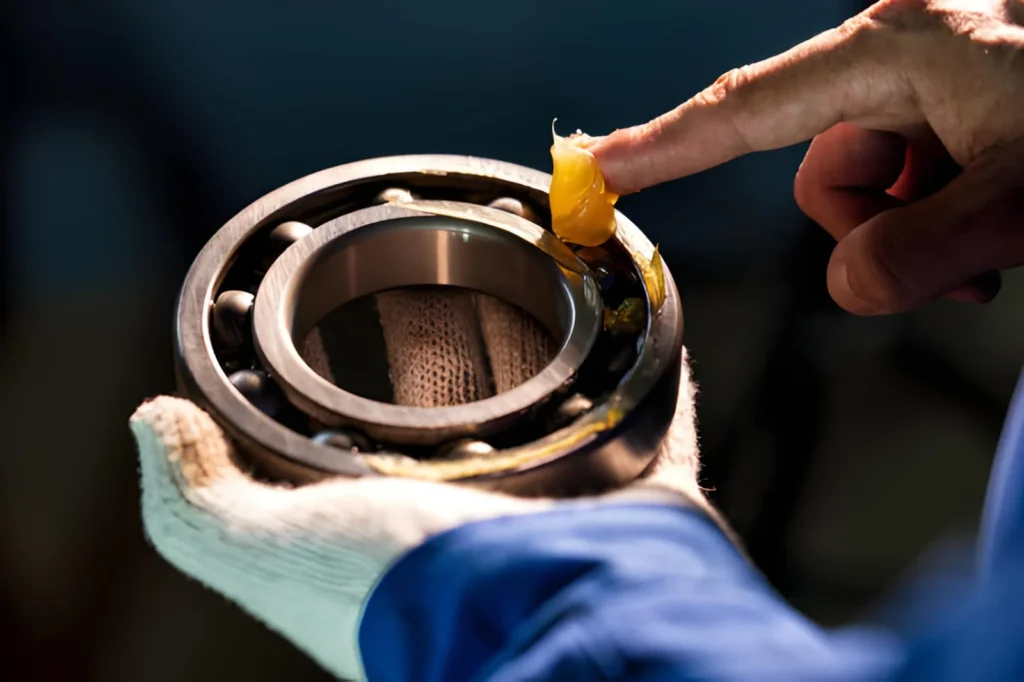
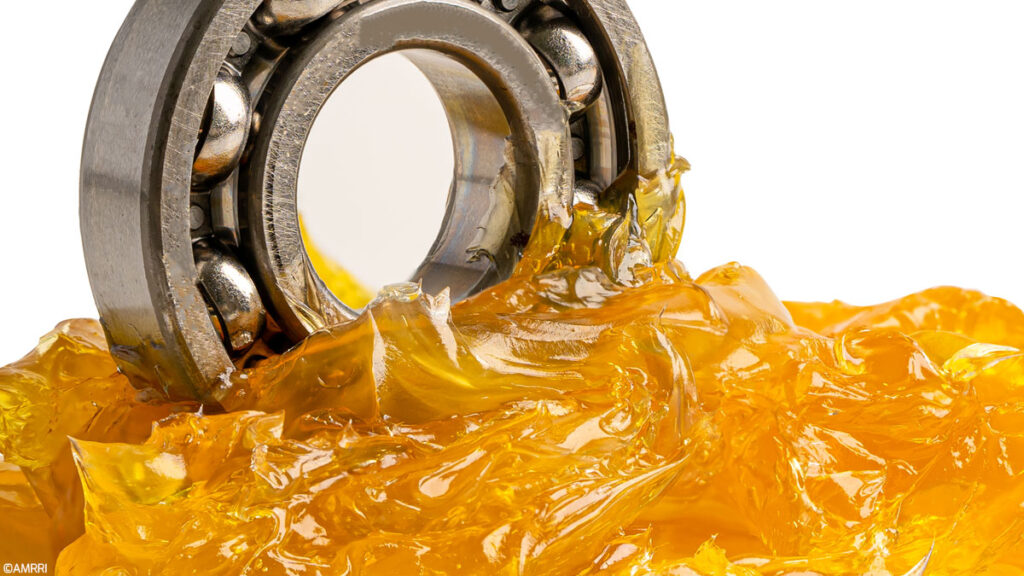
D) Industrial greases work well where liquid lubricants wouldn’t stay in place, such as bearings and joints that need long-lasting lubrication. The right grease depends on operating temperature, load, speed, water exposure, and compatibility with existing products.
E) Circulating and turbine oils are used in systems that need dependable lubrication, oxidation resistance, and wear protection. They’re designed for particular equipment and conditions, so check the specifications carefully before use.
Picking the right category is only the first step. The lubricant also has to match the required grade, standards, and operating conditions.
Industries That Rely on Quality Lubricants
Many industries across Dubai and the wider UAE depend on industrial lubricants to keep equipment reliable.
- Manufacturing: Production lines, motors, bearings, gearboxes, and hydraulic equipment need consistent lubrication to keep running without interruption.
- Construction: Excavators, loaders, cranes, compressors, and other heavy equipment work under tough conditions, so the right lubrication is essential.
- Transportation and logistics: Workshops, fleet maintenance facilities, and logistics operations use lubricants for vehicles, handling equipment, and supporting machinery.
- Marine operations: Marine and port equipment may need lubricants designed for specific loads, moisture exposure, and operating conditions.
- Energy and utilities: Pumps, turbines, compressors, and related systems need lubricants that meet strict equipment specifications and maintenance requirements.
In every case, the lubrication programme should reflect the machinery involved, the workload, environmental exposure, and the manufacturer’s recommendations.
Best Practices for Lubricant Selection and Maintenance
Working with a supplier pays off most when it’s backed by a structured maintenance programme. A few practical steps make a real difference:
- Follow manufacturer specifications. Confirm the required viscosity grade, performance standards, and product approvals before you buy.
- Don’t mix incompatible products. Different formulations may not play well together. Check compatibility before switching or combining lubricants.
- Store lubricants properly. Keep them in sealed, clearly labelled containers away from heat, moisture, and contamination.
- Monitor lubricant condition. Use inspections and oil analysis where appropriate to spot contamination, oxidation, viscosity changes, or abnormal wear particles.
- Stick to service intervals. Replace or top up lubricants according to manufacturer guidance and real operating conditions.
- Train your maintenance team. Good handling, application, and disposal habits prevent contamination and wasted product.
- Review performance regularly. Track breakdowns, lubricant consumption, and equipment condition to find room for improvement.
These habits help you get more value from every lubricant purchase while supporting equipment reliability and workplace safety.
Why Choose Alam Al Zyout?
Finding the right industrial lubricants supplier in Dubai takes more than comparing prices. You need products that suit your machinery, dependable procurement support, and clear technical specifications.
Alam Al Zyout serves businesses looking for lubricant solutions for industrial and operational applications. When evaluating products for your facility, keep these points in mind:
- Application suitability: Products should match your machinery and operating environment.
- Quality and specifications: Check the technical data sheets, performance classifications, and manufacturer approvals.
- Supply planning: A structured purchasing process helps maintain stock levels and avoid maintenance delays.
- Operating demands: Consider temperature, load, equipment speed, and continuous operation.
- Long-term value: Look at how a lubricant performs and what it means for maintenance, not just the purchase price.
You can contact Alam Al Zyout to discuss your lubricant requirements and find suitable options based on your equipment and operational needs.
In Last
Industrial lubricants play a big part in machinery performance. They reduce friction, manage heat, and protect critical components. For businesses working in Dubai’s demanding industrial environment, choosing the right ones is a smart investment in efficiency and reliability.
A reliable industrial lubricants supplier in Dubai helps you make informed product choices, keep supplies consistent, and put effective lubrication practices in place. Together with regular inspections and preventive maintenance, the right lubrication strategy can cut avoidable downtime and support long-term performance.
Alam Al Zyout can help you explore your lubrication requirements and the right products for your operations. Get in touch with the team to discuss what you need and take a practical step towards more efficient, dependable machinery.